

Doctors today face a healthcare environment that requires far more than clinical skill alone. In addition to diagnosing conditions and delivering treatment, physicians are responsible for overseeing the daily operations that keep their practices running smoothly. From managing staff and scheduling appointments to maintaining facilities and coordinating specialty services, the modern medical practice functions as both a healthcare provider and a business. Balancing these responsibilities is essential to delivering consistent, high-quality patient care.
Successful practices are built on systems that support efficiency without sacrificing compassion. When operational processes work seamlessly, doctors are better positioned to focus on patient outcomes rather than administrative challenges. Patients benefit from shorter wait times, clearer communication, and a more organized care experience, while physicians gain stability and control over their workflows. This balance helps reduce burnout and improve long-term practice sustainability.
As medical practices expand their services, the need for coordination becomes even more critical. Diagnostic imaging, specialty procedures, pediatric care, and wellness offerings must all operate within a unified structure. Each service introduces new operational demands, including staffing, equipment management, compliance, and patient education. Doctors must ensure these elements work together rather than competing for time and resources.
Financial and infrastructure considerations also play a major role in practice success. Reliable payment systems, accessible facilities, and well-maintained equipment create a professional environment that supports trust and continuity of care. When these operational foundations are strong, patients experience fewer disruptions and providers maintain greater control over their schedules and services.
This article explores how doctors balance patient care with running a successful practice by examining key operational areas that support clinical excellence. Each section highlights how thoughtful management decisions help physicians deliver effective care while maintaining efficiency, stability, and growth in an increasingly complex healthcare landscape.
Managing ortho care
Orthopedic services require careful coordination due to the complexity of musculoskeletal conditions and treatment plans. Doctors must manage consultations, diagnostics, treatment timelines, and follow-up care while ensuring that workflows remain efficient. Clear processes allow practices to handle high patient volumes without compromising individualized care. Strong coordination between clinical staff and administrative teams helps reduce errors and ensures patients receive timely interventions. Efficient patient flow also frees physicians to focus more on complex cases. Additionally, structured documentation and communication enhance continuity of care across multiple visits. Implementing patient feedback systems can help practices identify workflow improvements and address patient concerns promptly. By continuously evaluating outcomes and adjusting processes, orthopedic practices can maintain high-quality care even as patient needs evolve.
A local orthopedic doctor often balances surgical scheduling, rehabilitation coordination, and patient education while overseeing staffing and facility needs. By maintaining structured workflows and strong communication, orthopedic practices can support recovery-focused care while keeping daily operations organized and predictable. Integrating technology, such as electronic medical records and scheduling software, further streamlines care management. Regular team meetings allow the staff to anticipate patient needs and adjust resources accordingly. This structured approach ultimately enhances both patient outcomes and operational efficiency. Using performance metrics to track efficiency and patient satisfaction allows physicians to make data-driven improvements. Coordinating multidisciplinary teams ensures that complex cases are managed effectively without overburdening any single provider.
Using open MRI
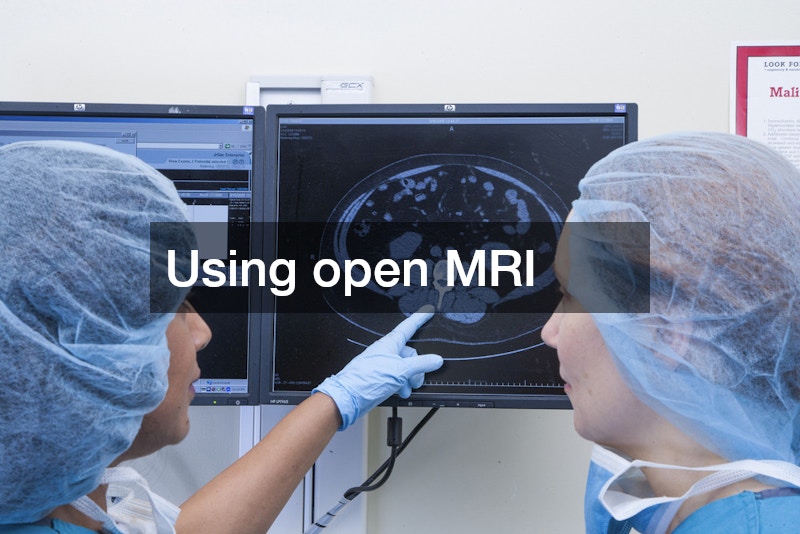
Diagnostic imaging is a cornerstone of accurate treatment planning across many medical specialties. Practices must integrate imaging services in a way that supports timely diagnoses without creating scheduling bottlenecks. Efficient imaging workflows improve patient satisfaction and clinical decision-making. Proper coordination between radiology and clinical teams ensures that results are available promptly for treatment planning. Additionally, effective patient communication helps minimize anxiety and improve compliance with imaging appointments. Implementing quality control measures ensures accurate, reliable results across all imaging procedures.
An open MRI test offers increased comfort for patients who may struggle with traditional imaging environments. Doctors must balance the clinical benefits of advanced imaging with operational considerations such as appointment flow and equipment usage to ensure consistent, high-quality service. Staff training in patient positioning and device operation maximizes scan quality while reducing delays. Scheduling protocols can prioritize urgent cases without interrupting routine imaging. By integrating the open MRI seamlessly, practices enhance accessibility and patient satisfaction simultaneously.
Partnering rehab
Collaboration with rehabilitation providers allows doctors to extend care beyond their own facilities while maintaining continuity. Strategic partnerships support comprehensive treatment plans without overwhelming internal resources. Clear coordination ensures consistent standards of care across providers. These relationships also improve communication between care teams, reducing gaps that can impact patient outcomes. As a result, physicians can deliver more holistic care while preserving efficiency within their practices. Coordinated care also reduces readmission rates and helps monitor patient progress over time. Regular review of referral processes ensures that partnerships continue to meet patient needs effectively.
Working with an alcohol treatment center enables physicians to support recovery efforts while focusing on medical oversight. By aligning referrals and follow-ups, doctors help patients transition smoothly through different stages of care while maintaining operational efficiency. This coordination reinforces accountability and ensures that patients receive consistent guidance throughout their recovery journey. Collaborative care also allows physicians to address medical issues that may arise during recovery. Continuous communication between the treatment center and the primary practice ensures safety and compliance with medical plans. These strategies strengthen patient trust and improve long-term health outcomes.
Supporting podiatry

Specialty services such as podiatry require integration into broader practice workflows. Doctors must ensure referrals, scheduling, and communication remain streamlined to avoid fragmented care. Coordination improves outcomes and enhances patient confidence. Centralized scheduling and shared records help reduce appointment conflicts and missed follow-ups. Clear communication between podiatry staff and other departments ensures continuity of care. Integrating podiatry care into routine patient visits can improve adherence to preventative and rehabilitative treatments.
Foot doctors play a vital role in treating chronic conditions, mobility issues, and preventive concerns. When podiatry services are aligned with overall practice operations, patients receive specialized care within a well-organized medical environment. Coordinated patient education programs ensure patients understand treatment plans and home care requirements. Seamless integration also improves patient satisfaction and strengthens the practice’s reputation for comprehensive care. This alignment ultimately allows physicians to maintain efficiency while providing specialized expertise.
Optimizing payments
Financial systems directly affect a practice’s ability to operate smoothly. Efficient payment processes reduce administrative strain and support predictable revenue. Clear billing procedures also help patients understand their financial responsibilities. When payment workflows are streamlined, staff can spend less time resolving billing issues and more time assisting patients. This operational clarity helps prevent disputes and improve overall practice efficiency.
Using credit card processing services allows practices to simplify transactions and reduce payment delays. Doctors benefit from improved cash flow, while patients appreciate convenient and transparent payment options that support a positive care experience. These systems also enhance accuracy and reduce the risk of errors that can disrupt both operations and patient satisfaction.
Maintaining lifts

Facility accessibility is essential for patient safety and compliance. Doctors must ensure that medical buildings accommodate patients with varying mobility needs while minimizing operational disruptions. Proper maintenance protects both patients and staff. Reliable access points also help prevent appointment delays that can affect patient satisfaction. When facilities function as expected, clinical schedules remain uninterrupted and efficient.
Regular elevator maintenance service helps ensure reliable access throughout the facility. Well-maintained infrastructure supports smooth patient flow and reinforces a professional environment focused on care delivery. This consistency also reduces liability risks and demonstrates a commitment to patient-centered design.
Scheduling arm lifts
Elective procedures require careful scheduling to balance demand with available resources. Doctors must coordinate staff, facilities, and recovery timelines to ensure safety and efficiency. Structured scheduling reduces delays and improves patient confidence. Clear timelines also help patients prepare mentally and physically for their procedures. Predictable scheduling supports better outcomes and smoother recovery planning. Advanced scheduling software can help track operating room availability and optimize patient flow. Efficient scheduling also reduces stress on clinical teams, allowing them to focus on high-quality care. Regularly reviewing procedure schedules helps practices anticipate peak times and allocate resources accordingly.
An arm lift procedure highlights the importance of managing specialized services alongside routine care. By allocating time and resources effectively, physicians can offer elective treatments without disrupting core medical operations. This balance allows practices to expand services while maintaining consistent care standards. Clear communication with patients regarding pre- and post-procedure care ensures a smoother recovery. Staff collaboration across departments helps prevent delays and conflicts with other scheduled procedures. Over time, optimized scheduling enhances both patient satisfaction and operational efficiency.
Offering IV relief

Supportive therapies have become increasingly common in medical practices. Doctors must evaluate how these services fit into existing workflows while maintaining safety and consistency. Proper oversight ensures quality care. Staff training and protocol development play a key role in preventing disruptions. Clear guidelines help integrate these therapies smoothly into daily operations. Monitoring patient outcomes helps practices refine protocols and ensure effective treatment. Scheduling flexibility allows practices to accommodate demand without overwhelming staff. These services can also serve as complementary offerings that enhance patient satisfaction and engagement.
Providing hangover relief iv therapy requires clear protocols and scheduling coordination. When managed effectively, these services complement traditional care without placing unnecessary strain on staff or facilities. Thoughtful implementation helps maintain clinical focus while meeting patient demand. Integrating IV therapy into the broader practice workflow reduces bottlenecks and improves patient flow. Proper documentation ensures compliance with safety standards and treatment consistency. Coordination with nursing staff allows for efficient administration while maintaining high levels of care.
Coordinating airway
Pediatric care requires heightened attention to coordination and communication. Doctors must work closely with families and specialists to ensure safe, effective treatment. Organized workflows reduce stress for patients and caregivers. Clear communication builds trust and improves treatment adherence. Consistency across care teams also helps prevent delays and confusion. Training staff in pediatric-specific protocols further enhances safety and efficiency. Coordinated follow-ups and reminders help families stay on track with treatment plans. Effective collaboration reduces the risk of errors and improves overall patient outcomes.
Pediatric airway expansion treatments demand precise planning and collaboration. Aligning schedules and follow-up care allows physicians to deliver specialized pediatric services while maintaining operational efficiency. This coordination supports long-term outcomes and continuity of care. Multi-disciplinary planning meetings ensure that all involved specialists are aligned on treatment goals. Educating caregivers about the procedure and recovery process reinforces adherence and safety. Integrating airway treatments into the practice schedule allows physicians to provide high-quality care without overburdening staff.
Tracking devices
Medical equipment is critical to diagnosis and treatment, making accurate tracking essential. Doctors must ensure devices are available, functional, and properly maintained to prevent care delays. Efficient systems reduce waste and downtime. Proactive oversight also helps practices plan for repairs and replacements. This approach minimizes disruptions during patient visits. Centralized equipment management helps avoid duplication and reduces unnecessary costs. Staff can quickly locate devices, improving workflow and patient satisfaction. Regular audits of inventory help maintain compliance and prevent shortages.
Medical device inventory management software allows practices to monitor equipment usage and maintenance in real time. This technology supports informed decision-making and ensures reliable access to essential tools. Better visibility strengthens accountability and operational control. Automated alerts for maintenance and calibration help prevent equipment failure during critical procedures. Integrating software with electronic health records streamlines documentation and reporting. These systems also allow administrators to forecast future equipment needs and budget effectively.
Balancing patient care with running a successful practice is one of the defining challenges of modern medicine. Doctors must manage clinical responsibilities while overseeing operations that directly influence efficiency, safety, and patient satisfaction. Strong systems allow physicians to focus on healing rather than administrative obstacles.
Operational efficiency supports better care delivery by reducing delays, improving communication, and creating predictable workflows. When financial processes, facility maintenance, and equipment management are handled effectively, patients experience a smoother and more reliable healthcare journey.
Collaboration across specialties and external providers further strengthens this balance. Coordinated partnerships allow practices to expand services responsibly while maintaining control over quality and continuity. These relationships help doctors meet diverse patient needs without sacrificing efficiency.
Infrastructure and technology also play a critical role in sustaining successful practices. Accessible facilities and accurate inventory systems create stability and reduce risk. Together, these operational foundations support both clinical excellence and long-term growth.
Ultimately, doctors who invest in well-organized operations are better equipped to deliver compassionate, patient-centered care. Balancing medicine and management is not a compromise—it is an essential strategy for building practices that thrive while putting patients first.
