Building a commercial property is far more complex than most people realize. From the moment a piece of land is selected to the final interior finishes, every phase requires coordination, specialized services, and careful planning. Behind the scenes, a wide range of contractors and systems work together to bring a project to life—often in a tightly scheduled sequence where delays in one area can affect everything else.
Whether it’s a retail center, warehouse, office building, or industrial facility, the process involves everything from cutting concrete and sourcing materials to installing infrastructure systems and finishing interior spaces. Understanding how these elements fit together gives a clearer picture of what it really takes to complete a commercial build.
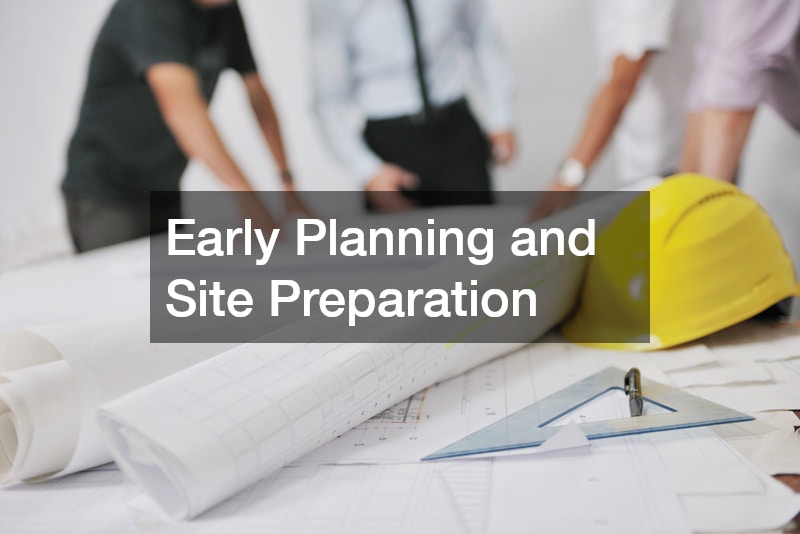
Early Planning and Site Preparation
Before construction begins, the site must be evaluated and prepared. This stage includes surveying the land, clearing debris, and ensuring the ground is suitable for building. Engineers assess soil conditions, drainage patterns, and elevation to determine what groundwork is required.
In many cases, crews must begin by cutting concrete to remove old foundations, sidewalks, or parking areas that may interfere with the new build. This process requires precision and specialized equipment to avoid damaging surrounding areas.
Access to water is another early priority. Well drilling services are often brought in when municipal water is unavailable or delayed. Having a dependable water source ensures that construction activities like mixing concrete and controlling dust can proceed without interruption.
Temporary site logistics are also established during this phase. Services like porta potty rental provide necessary sanitation for workers, helping maintain productivity and compliance with job site regulations. While not glamorous, these foundational steps are critical for keeping everything else on track.
Installing Core Infrastructure
Once the site is cleared and prepped, contractors begin installing the essential systems that will support the building long-term. This includes underground utilities such as water lines, drainage systems, and wastewater management.
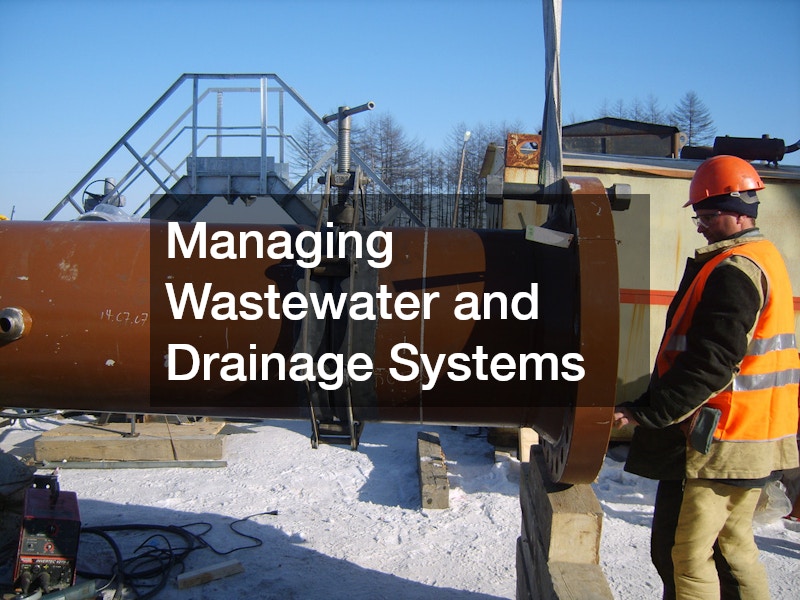
Managing Wastewater and Drainage Systems
Proper wastewater handling is essential for any commercial property. Septic pumping is often required during installation and testing to ensure systems are functioning correctly and free of blockages. This step helps prevent costly issues later in the project.
In developments where gravity alone isn’t enough to move wastewater, lift station service becomes necessary. These systems pump wastewater from lower elevations to higher ones, allowing it to reach treatment facilities or sewer connections. Installing and testing these systems early ensures long-term reliability.
Beyond installation, contractors must also consider environmental impact. Proper containment, filtration, and drainage planning ensure that wastewater systems do not negatively affect surrounding land or water sources. This adds another layer of complexity to infrastructure development.
Sourcing Materials for Structural Work
With infrastructure underway, the focus shifts to securing materials needed for the structure itself. Reliable sourcing is essential to avoid delays and maintain quality.
Concrete and Steel Coordination
A local concrete supplier plays a major role in keeping the project moving. Fresh concrete is needed for foundations, slabs, and structural supports, and working with a nearby supplier reduces transportation time and ensures consistency.
Steel components are equally important. Local steel fabrication allows contractors to create custom beams, columns, and reinforcements tailored to the project’s exact specifications. These elements are often fabricated off-site and delivered ready for installation, improving efficiency on the job site.
In larger projects, procurement teams carefully forecast material needs weeks or even months in advance. This ensures that supply chain disruptions don’t slow down construction progress. Strategic sourcing can also help control costs without sacrificing quality.
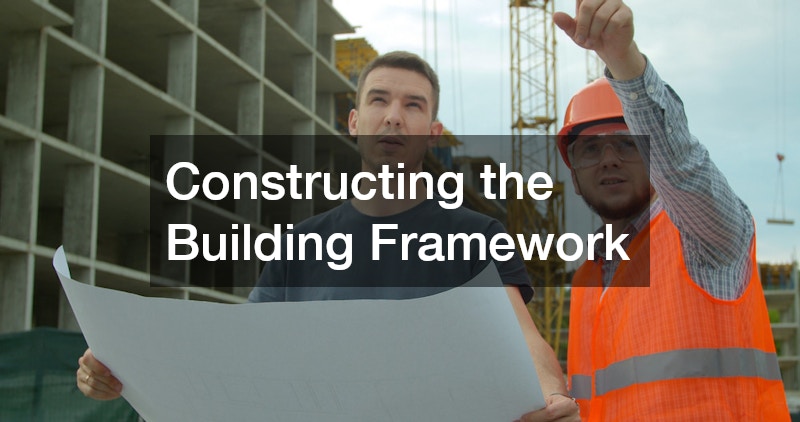
Constructing the Building Framework
With materials on-site, crews begin assembling the structural framework. This is where the building starts to take shape and become recognizable.
Efficient Wall Systems and Structural Assembly
For many commercial projects, tilt up construction services are used to form large concrete wall panels. These panels are poured horizontally on-site and then lifted into place with cranes. This method speeds up construction while providing durable, long-lasting walls.
The efficiency of this approach makes it especially popular for warehouses, industrial facilities, and large retail spaces. It also allows for better quality control since panels are formed in a controlled environment before being raised into position.
As the structure rises, teams must constantly inspect alignment, load distribution, and stability. Even small errors at this stage can have major consequences, so precision is critical throughout the entire process.
Job Site Safety and Air Quality Control
Controlling Dust and Hazardous Particles
Oftentimes, in commercial and industrial builds, a combustible dust collector is used to capture and filter potentially dangerous particles. This is especially important in facilities where dust could pose a fire or explosion risk.
Maintaining clean air on the job site not only improves safety but also helps ensure compliance with health regulations. Regular monitoring and proper equipment usage are essential parts of this process.
In addition to dust control, job sites implement safety training, protective equipment requirements, and hazard communication systems. These practices help reduce accidents and create a safer working environment for everyone involved.
Coordinating Multiple Teams and Trades
A commercial construction project involves many different specialists working together. Electricians, plumbers, HVAC technicians, and general contractors must coordinate their efforts carefully.
Each trade depends on the work completed before it. For example, plumbing systems must be installed before walls are sealed, while electrical wiring must be properly routed to avoid interference with other systems. Project managers oversee these timelines to keep everything aligned and prevent costly rework.
Modern construction projects often rely on digital tools like project management software and building information modeling to improve coordination. These tools allow teams to visualize the project in advance and identify potential conflicts before they occur.
Flooring, Fixtures, and Final Details
Final Inspections and System Testing
Before a commercial property can open, it must pass a series of inspections to confirm that all systems are functioning correctly and meet local codes.
Inspectors evaluate structural integrity, electrical systems, plumbing, and safety features. Wastewater systems are tested again, often involving septic pumping to verify proper operation. If lift stations are part of the design, lift station service providers may perform final checks to ensure reliability.
This phase can be one of the most stressful for developers, as any failed inspection can result in delays and additional costs. Thorough preparation and attention to detail throughout the project help minimize these risks.
Long-Term Maintenance and Performance
Even after construction is complete, maintaining the property is an ongoing responsibility. Systems installed during the build require regular servicing to ensure long-term performance.
Routine septic pumping helps prevent backups and maintain system efficiency. Lift station service ensures wastewater continues to flow properly, especially in properties with complex drainage needs. Facilities that rely on air quality systems must also maintain their combustible dust collector to keep operations safe.
Building owners should also plan for general maintenance, including repairs, inspections, and updates to keep the property in top condition over time. Preventive maintenance programs can extend the life of key systems and reduce unexpected expenses.
From Blueprint to Reality